
Removing Growth and Controlling Moisture Sources
Mold Remediation in Baltimore for safely removing mold from affected areas while addressing the moisture conditions that allowed colonization
Baltimore's climate creates persistent humidity challenges, particularly in basements and crawlspaces where condensation and groundwater intrusion combine. When moisture levels remain elevated long enough, mold spores settle on drywall, wood framing, insulation, and other porous materials, establishing colonies that continue spreading until the moisture source is controlled and contaminated materials are removed. Mold remediation at Total Restoration involves containment procedures designed to limit the spread of spores during removal, cleaning of salvageable surfaces, removal of damaged materials when necessary, and moisture control recommendations to prevent recurrence once the affected area is restored.
The process begins by isolating the work area with plastic sheeting and negative air pressure, which prevents mold spores disturbed during removal from migrating to unaffected rooms. Contaminated materials—drywall with growth penetrating beyond the surface, insulation that absorbed moisture, or wood components showing visible colonization—are removed and bagged before transport, while hard surfaces without porous qualities undergo HEPA vacuuming and antimicrobial treatment to eliminate surface spores.
Schedule professional mold remediation services if inspection revealed active growth or moisture readings above safe thresholds.
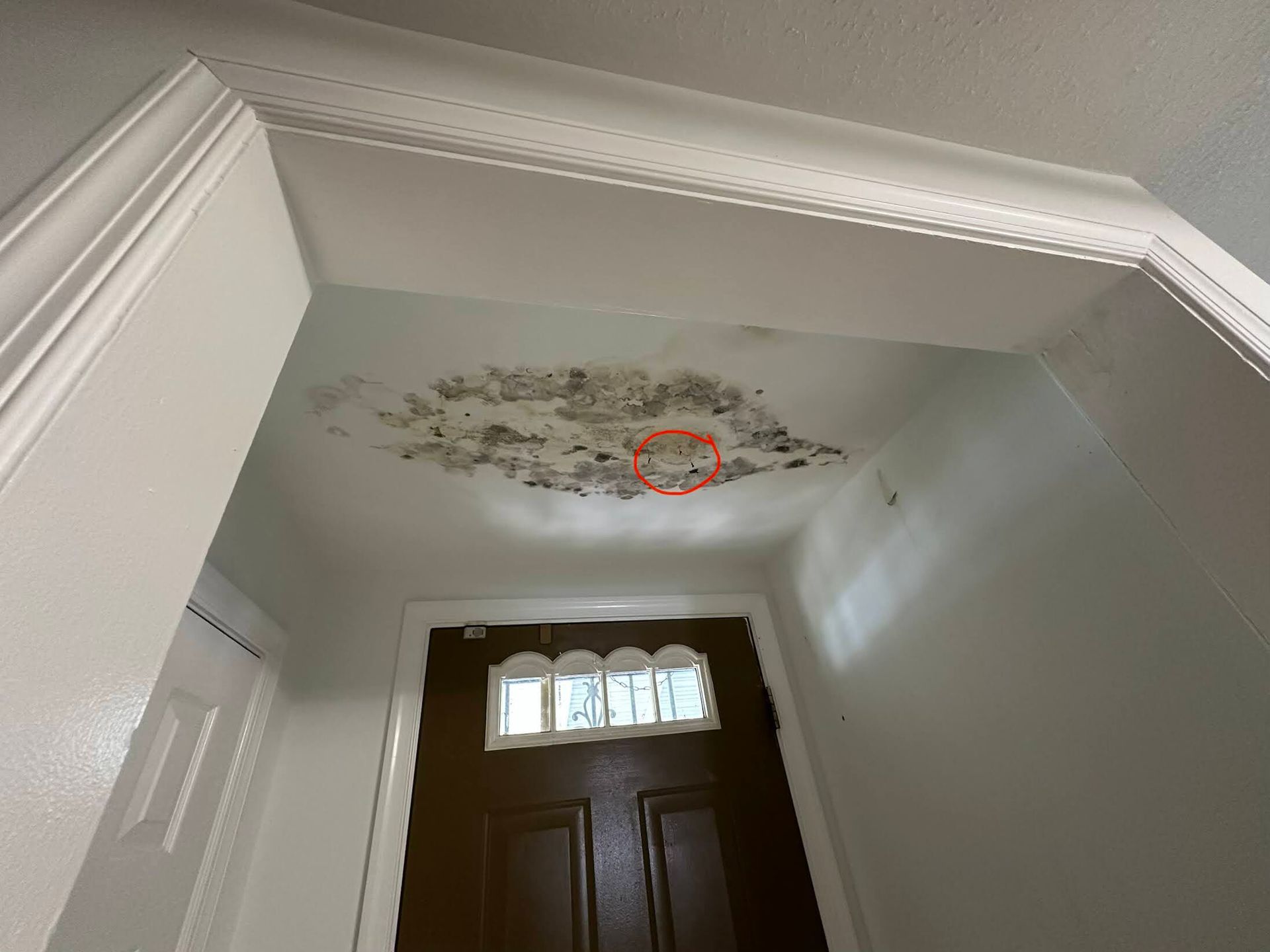
What Proper Remediation Requires
Mold remediation goes beyond spraying bleach on visible spots. Containment barriers keep spores from spreading to clean areas during the demolition and cleaning phases, while HEPA-filtered air scrubbers pull airborne particles from the workspace and exhaust them outdoors. Removal depth depends on how far growth has penetrated—surface growth on painted drywall may clean successfully, but growth on unpainted drywall or within the paper facing requires cutting out and discarding the affected sections.
After remediation completes, the space no longer smells musty, surfaces show no discoloration from mold pigmentation, and moisture readings in building materials fall within acceptable ranges that discourage future colonization. You also receive documentation of the moisture issue that caused growth and recommendations for corrections—improved ventilation, dehumidification, drainage repairs, or plumbing fixes—that address the root cause rather than just treating the symptom.
The service includes containment setup, removal of affected materials, HEPA cleaning of remaining surfaces, air filtration during the process, and disposal of contaminated debris. Post-remediation verification testing, which uses air sampling to confirm spore counts have returned to baseline levels, occurs separately when required by insurance or for health documentation. Remediation creates a cleaner indoor environment, but lasting results depend on correcting the moisture condition that allowed growth initially, whether that involves foundation waterproofing, HVAC adjustments, or plumbing repairs.
Answers to Frequent Service Questions
Mold remediation raises questions about what gets removed, how containment works, and what prevents mold from returning. These answers clarify what property owners can expect during the remediation process.
What containment procedures limit mold spread during remediation?
Remediation teams seal the work area with 6-mil polyethylene sheeting, create negative air pressure using HEPA-filtered air scrubbers that exhaust outdoors, and establish decontamination zones where workers remove protective gear before leaving the contained space, preventing spores from migrating on clothing or tools.
How do you determine whether materials are cleaned or removed during remediation?
Porous materials like drywall, insulation, ceiling tiles, and carpeting with growth beyond surface level require removal because spores and hyphae penetrate into the material structure where cleaning cannot reach, while non-porous materials like metal, glass, and sealed wood can typically be cleaned and disinfected.
What happens to removed materials contaminated with mold?
Contaminated materials are misted with water to minimize airborne spores during handling, double-bagged in heavy-duty plastic while still inside the containment area, and disposed of following local regulations for construction debris, with sealed bags preventing spore release during transport and disposal.
When should moisture control improvements happen relative to remediation?
Moisture source correction should occur before or during remediation when possible, as remediating growth without fixing the leak, condensation issue, or drainage problem that caused it results in recurrence within weeks or months once conditions return to levels supporting colonization.
How does mold remediation for commercial properties differ from residential work in Baltimore?
Commercial remediation often involves larger affected areas, coordination with business operations to minimize downtime, specialized spaces like commercial kitchens or medical facilities requiring specific cleaning protocols, and documentation requirements for regulatory compliance or liability protection beyond typical residential projects.
Total Restoration provides mold remediation services for homes and businesses across Baltimore, using containment protocols and HEPA filtration to safely remove mold while protecting unaffected areas. Contact our team to begin remediation after
inspection confirms active growth requiring professional removal and cleaning.